
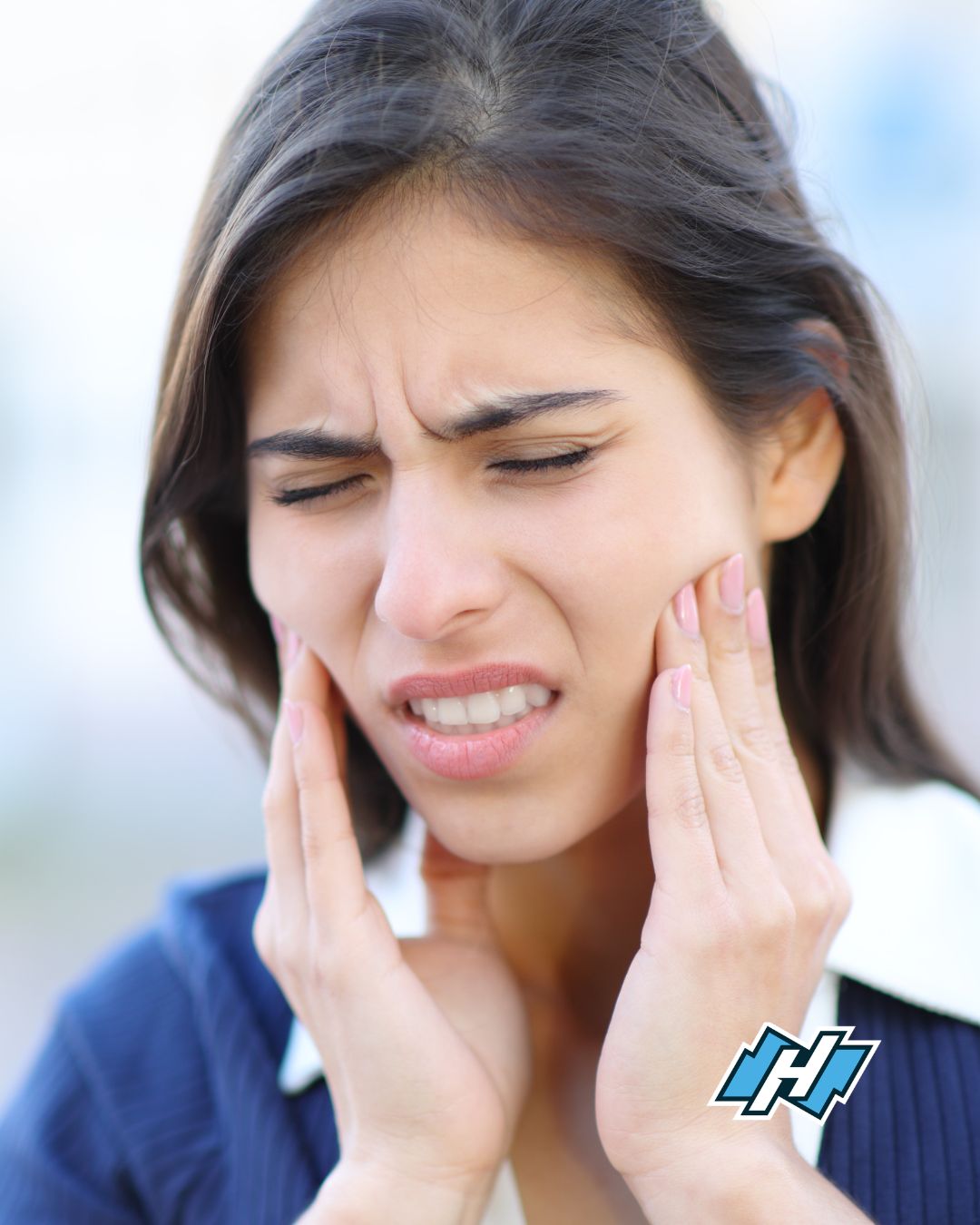
Your jaw works every time you eat, talk, or yawn. When it becomes painful, even a bite of your favorite food can feel uncomfortable.
At Highland Spine + Sport in Roanoke, VA, we want you to understand three things: what may be hurting, why it may be happening, and how to move forward.
Your temporomandibular joints—or TMJs—connect your lower jaw to your skull, just in front of your ears. These joints work with surrounding muscles to help your mouth open, close, and move side to side.
“TMJ” names the joint. Temporomandibular disorders, or TMD, describe conditions involving the jaw joints and chewing muscles.
Common symptoms include:
The first step is identifying whether your symptoms appear to involve the muscles, the joint, or another source that needs dental or medical attention.
There is no single explanation for every case of jaw pain. Clenching or grinding, an injury, and arthritis can contribute, and sometimes the exact cause remains unclear.
Everyday habits can also keep an irritated area working harder. Frequent gum chewing, biting your nails, or holding your teeth tightly together may aggravate symptoms. Stress can make it harder to notice those habits until your jaw already feels sore.
That is why your history matters. We want to know:
These details help guide the examination and determine the most appropriate next step. Jaw pain alone does not tell us which treatment you need.
During a flare-up, temporarily choosing softer foods, taking smaller bites, and avoiding gum can reduce demands on the jaw. Practicing a relaxed resting position—with your teeth slightly apart—may also help you interrupt daytime clenching.
At Highland Spine + Sport, we begin by listening to your concerns and assessing your movement. We may examine how your jaw opens and closes, identify movements that reproduce symptoms, and evaluate associated neck complaints.
Our goal is to give you a clear explanation of the findings and determine whether conservative musculoskeletal care fits your situation.
Depending on your examination, we may discuss hands-on care, guided exercises, and changes to aggravating habits. Your home plan should be manageable and tailored to your symptoms.
We focus on meaningful changes: Can you eat more comfortably? Open your mouth more easily? Get through your day with less discomfort? Your progress helps guide decisions about continuing or changing care.
A dentist may need to evaluate tooth pain, grinding, or whether an oral appliance is appropriate. Persistent pain or repeated locking may require further assessment. Conservative options often come first, but the right approach depends on the diagnosis.
Seek prompt care for fever, facial swelling, significant trauma, or a jaw stuck open or closed. Jaw discomfort with chest pressure, shortness of breath, sweating, or nausea requires emergency evaluation.
You should leave an appointment understanding what we found, why it matters, and how your plan addresses your goals.
If jaw pain is interfering with eating, talking, or daily life, contact Highland Spine + Sport in Roanoke, VA, to discuss an evaluation and whether our approach is appropriate for you.
Feel Better. Move Better. Live Better.